

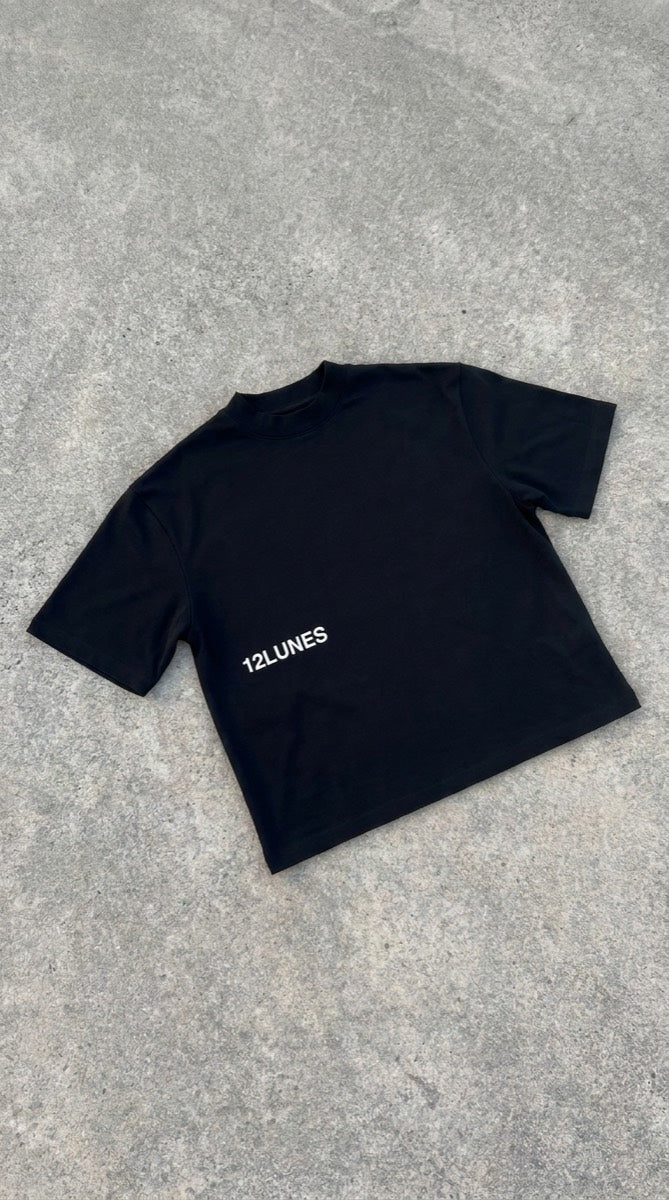
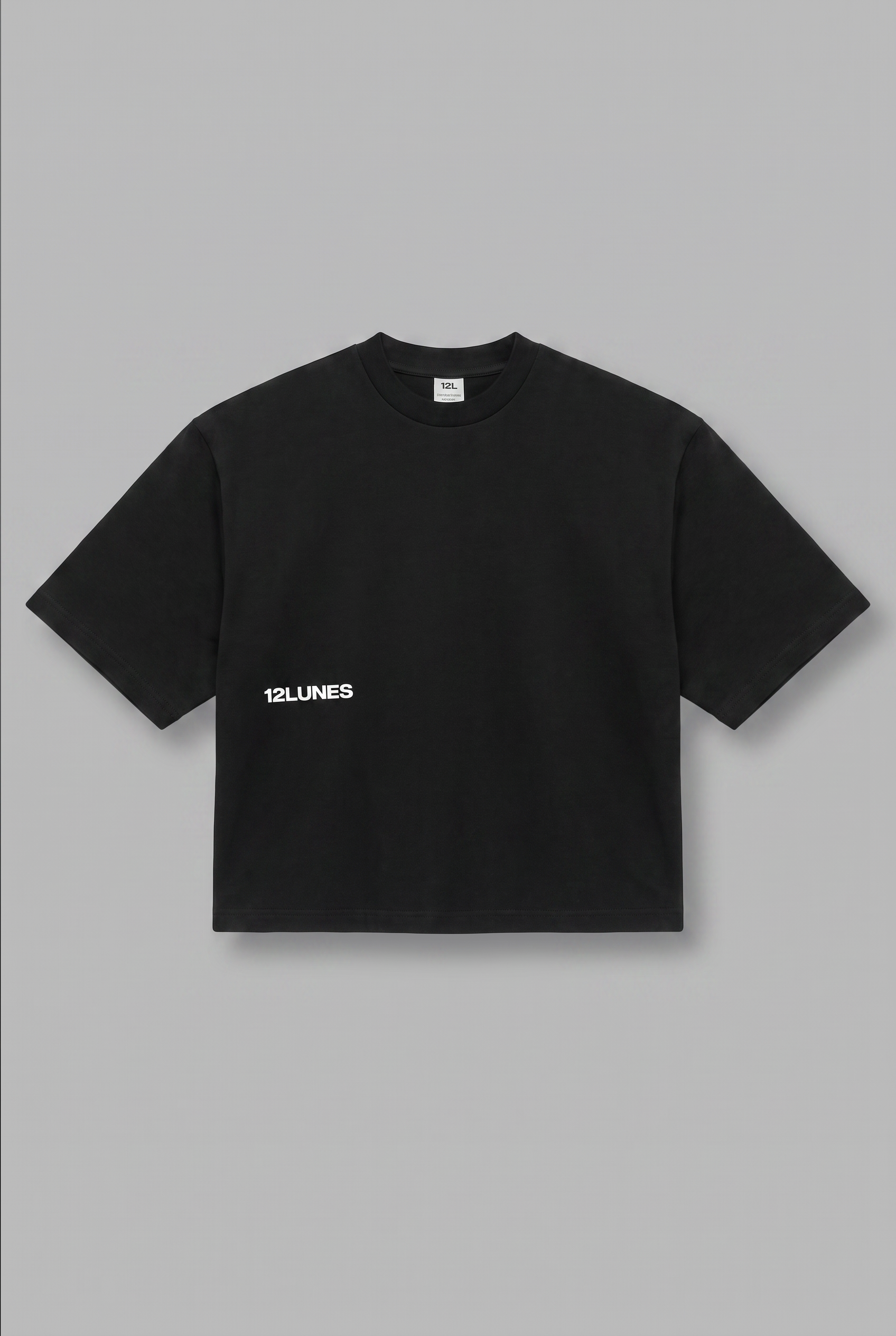
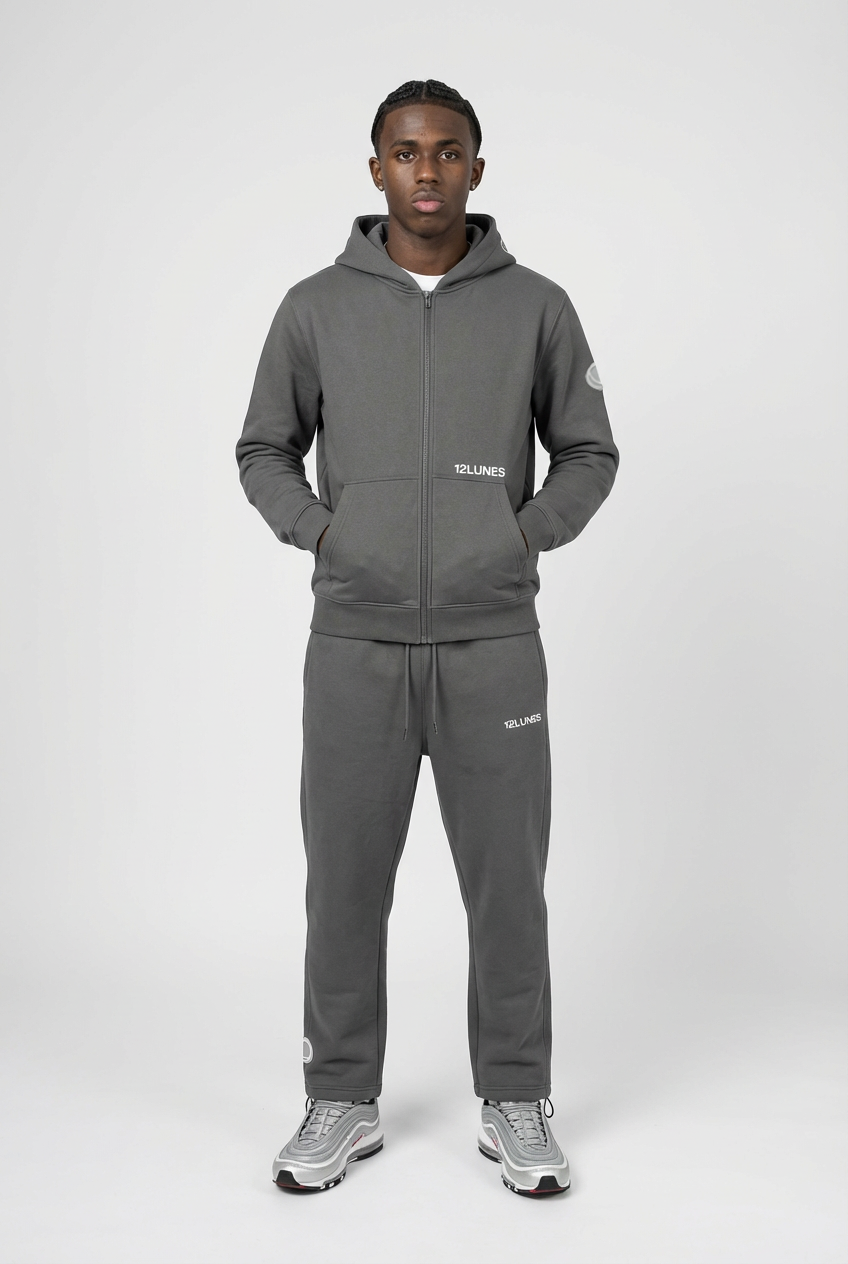
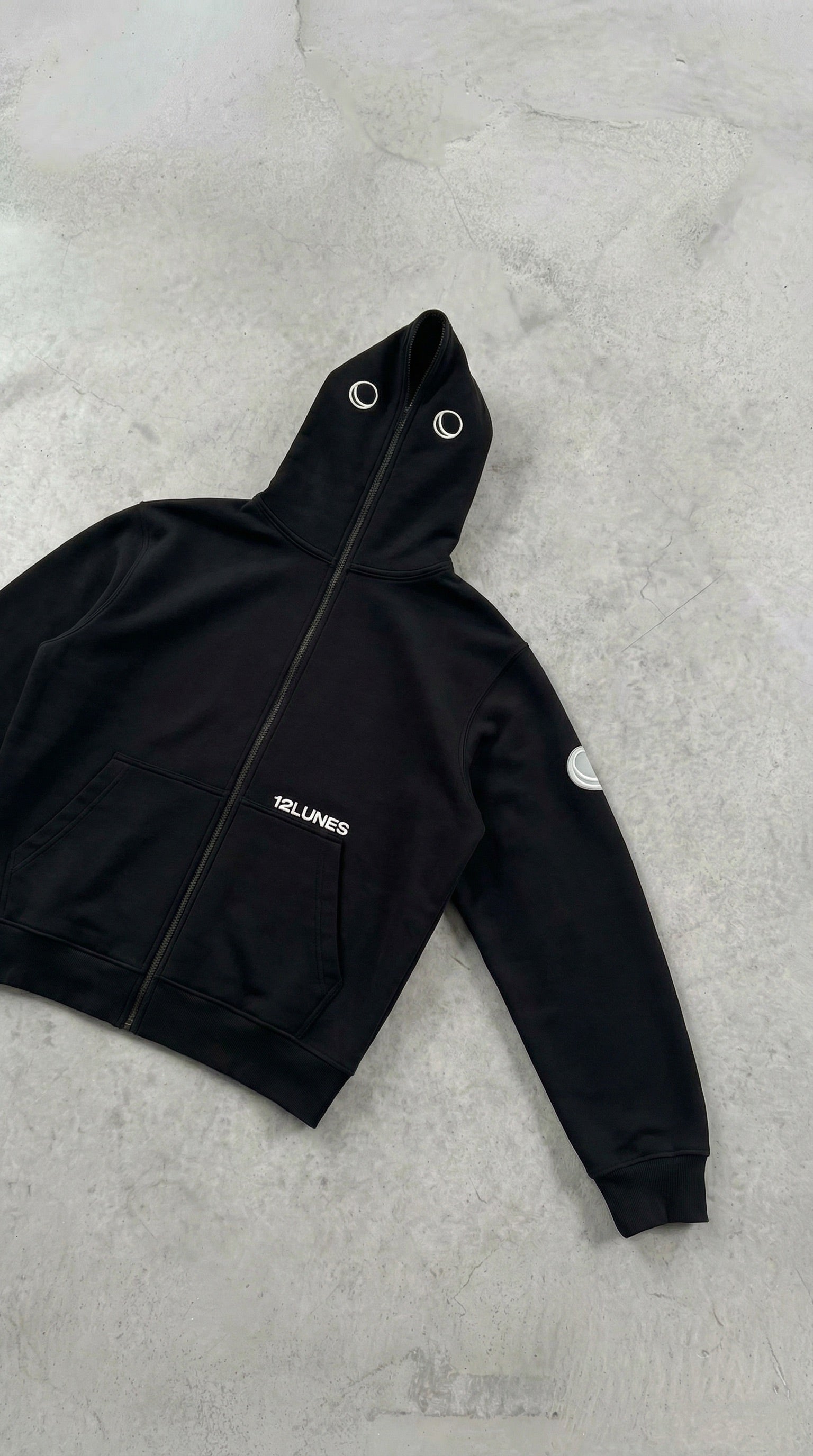
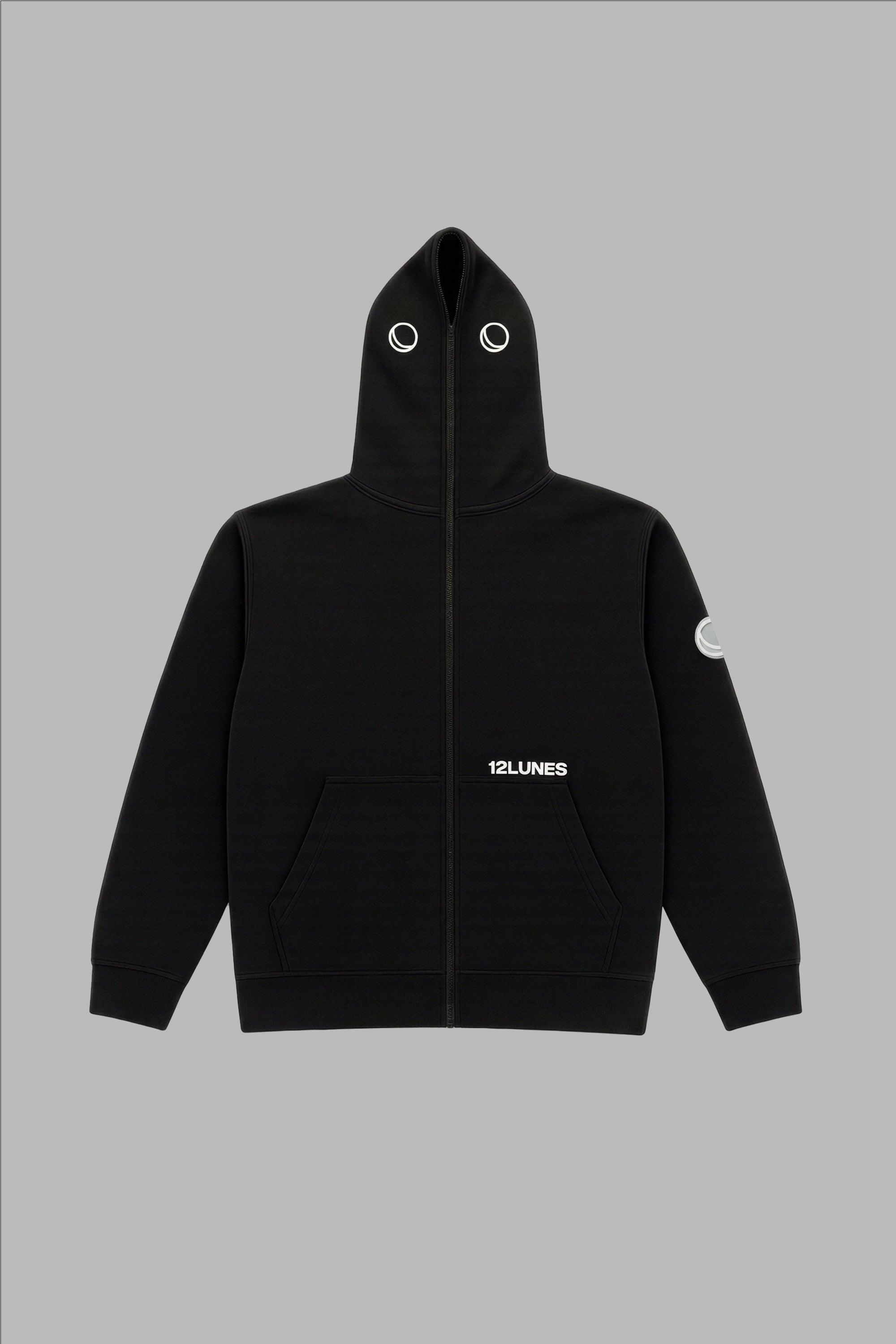

Streetwear was never conceived as a disposable product. Originally, these were clothes worn often, for a long time, on the street, at night, every day. Pieces that live with those who wear them. Today, as trends follow one another at a frantic pace, taking care of one's streetwear almost becomes a counter-cultural act. A way to slow down, to respect what you wear, and to give meaning back to your wardrobe.
Proper garment care isn't just about washing. It's a global vision, from choosing the item to how it ages.

Taking care begins when choosing your clothes
Even before talking about maintenance, everything starts with the right choice. A garment's composition largely determines its lifespan.
A garment made of 100% cotton, especially when it's dense, almost always ages better than a blend of 70% cotton, 30% polyester. Natural cotton develops a patina, softens, and maintains a lively texture. Synthetic fibers, on the other hand, tend to pill, lose their shape, or look worn out more quickly.
There are, of course, exceptions. More technical pieces like jackets, beanies, some caps, or outdoor wear need synthetic materials to ensure protection and durability. But for a streetwear hoodie, sweatshirt, or t-shirt, natural material often remains the best ally against time.
Choosing well-constructed garments with a consistent composition is already taking care of your wardrobe. And that's also why more and more people are turning to independent brands that prioritize material, cut, and durability over mass production, like those we've grouped in our selection of independent brands to watch in 2026.

Understanding materials for better care
Not all clothes are treated the same way. Streetwear often uses specific fabrics: heavy cotton, thick fleece, raw denim, dense jersey. These materials don't need to be washed after every wear.
Air drying is often enough. The less you wash, the more you preserve the fiber, color, and cut. Denim, for example, benefits from infrequent washing. Too many machine cycles erase the natural patina that gives it its character.
Taking care also means accepting that some clothes live with you, without constantly trying to make them look brand new.

Washing: a key moment for longevity
When washing is necessary, a few simple habits make all the difference.
Washing clothes inside out protects prints, embroideries, and the fabric surface. Low temperatures are perfectly sufficient. 30 degrees allows for cleaning without damage. Heat remains the main enemy of streetwear.
Overly aggressive detergents damage fibers. Fabric softeners are often unnecessary, even harmful, especially on thick cottons. And an overloaded machine accelerates wear and tear due to excessive friction.
Each wash should be a choice, not an automatic action.
Drying, often overlooked
The dryer is convenient, but it drastically shortens the life of clothes. It weakens fibers, shrinks items, and distorts cuts.
Air drying remains the best option. For heavy hoodies and sweatshirts, drying flat prevents them from stretching under their own weight. For the rest, a wide hanger or a classic drying rack is sufficient.
Allowing the fabric to follow its natural rhythm allows it to last.

Storing is also maintaining
Taking care of your clothes also means knowing how to store them.
Heavy items benefit from being folded rather than hung. Pants can be hung without a problem. The essential thing is to avoid humidity, compression, and forgetting them at the back of a closet.
An organized, breathable wardrobe allows clothes to age properly. This is often what distinguishes a thoughtful wardrobe from an accumulation of pieces worn and then discarded.
Clothes that age well retain their value
Streetwear that ages well does not lose value. Sometimes it gains it.
In the second-hand market, many look for pieces that have lived. A slightly faded but well-cut hoodie. Jeans marked by time. A cap that tells a story. These clothes have a history, and that history creates desirability. This search for clothes that age well also explains why some independent brands are gaining more and more ground in current streetwear. They meet a clear expectation: to wear less, but better, with pieces that have a real story.
Taking care of your clothes also preserves this possibility. Wearing today, passing on or reselling tomorrow. Some pieces almost become personal archives.
Why old clothes sometimes last longer
There's a shared observation among many: well-maintained clothes from the 90s often aged better than some current pieces. Fabrics were heavier, constructions simpler, and profit demands less crushing.
Today, average quality has decreased. Not everywhere, but overall. This is one more reason to take care of what you already own. Every well-preserved piece becomes a counterweight to the current fast pace.

Second-hand, the natural continuity of streetwear
Streetwear has always circulated. We exchange, we resell, we give away. Second-hand isn't a recent trend; it's a cultural reflex.
Today, it makes even more sense. Buy less, buy better, then circulate the pieces. Some are resold on specialized platforms. Others find a second life through organizations like Emmaus. Discarding should remain the last resort.
A streetwear garment is made to endure, not to disappear after one season.
Fashion is cyclical, keep that in mind
Trends move fast. Cargo pants were everywhere two years ago, then disappeared. Ultra-loose fits dominate in early 2026, but are already starting to fade. Skinny jeans seemed essential ten years ago. Today, they seem almost unthinkable. In a few years, they'll be back.
The same logic applies to accessories. Flat-brimmed caps, long considered outdated, are gradually making a comeback. Fashion operates in cycles.
If you have clothes you no longer wear but are in good condition, don't throw them away. Store them. They will become relevant again, or find someone else to speak to.

Taking care is essential
Taking care of your streetwear isn't about being rigid. It's about understanding the rhythm of fashion, respecting the material, and accepting that style isn't consumed at the speed of a scroll.
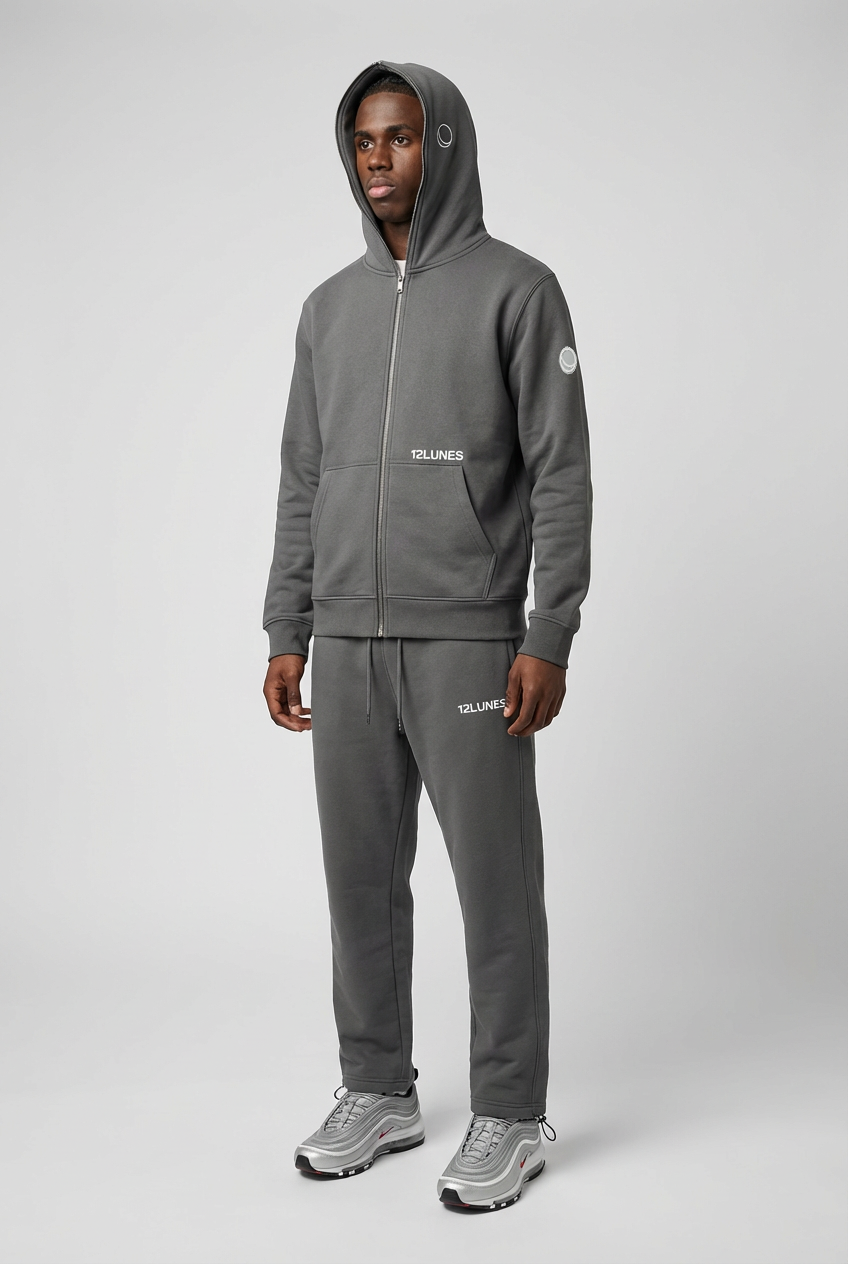
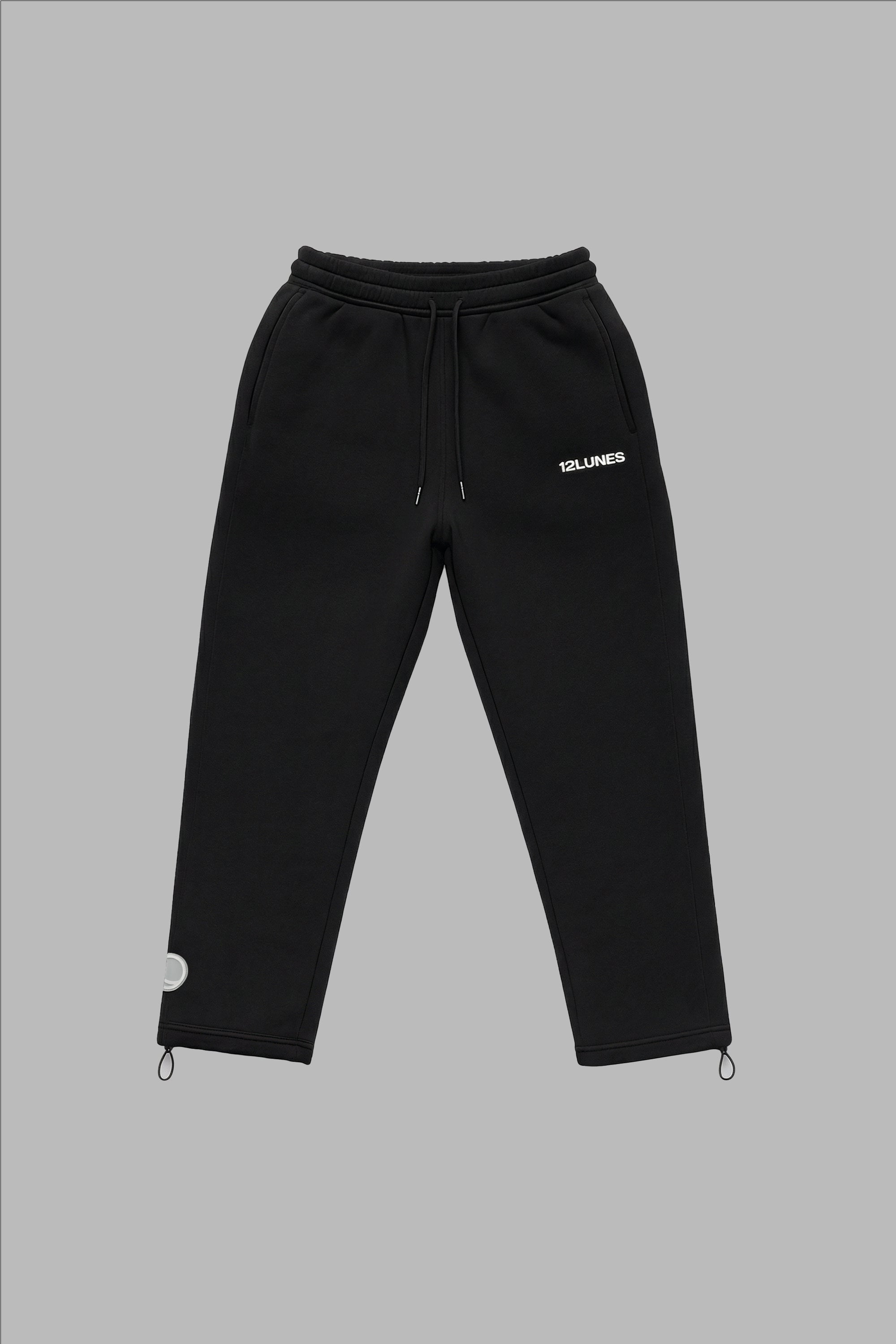
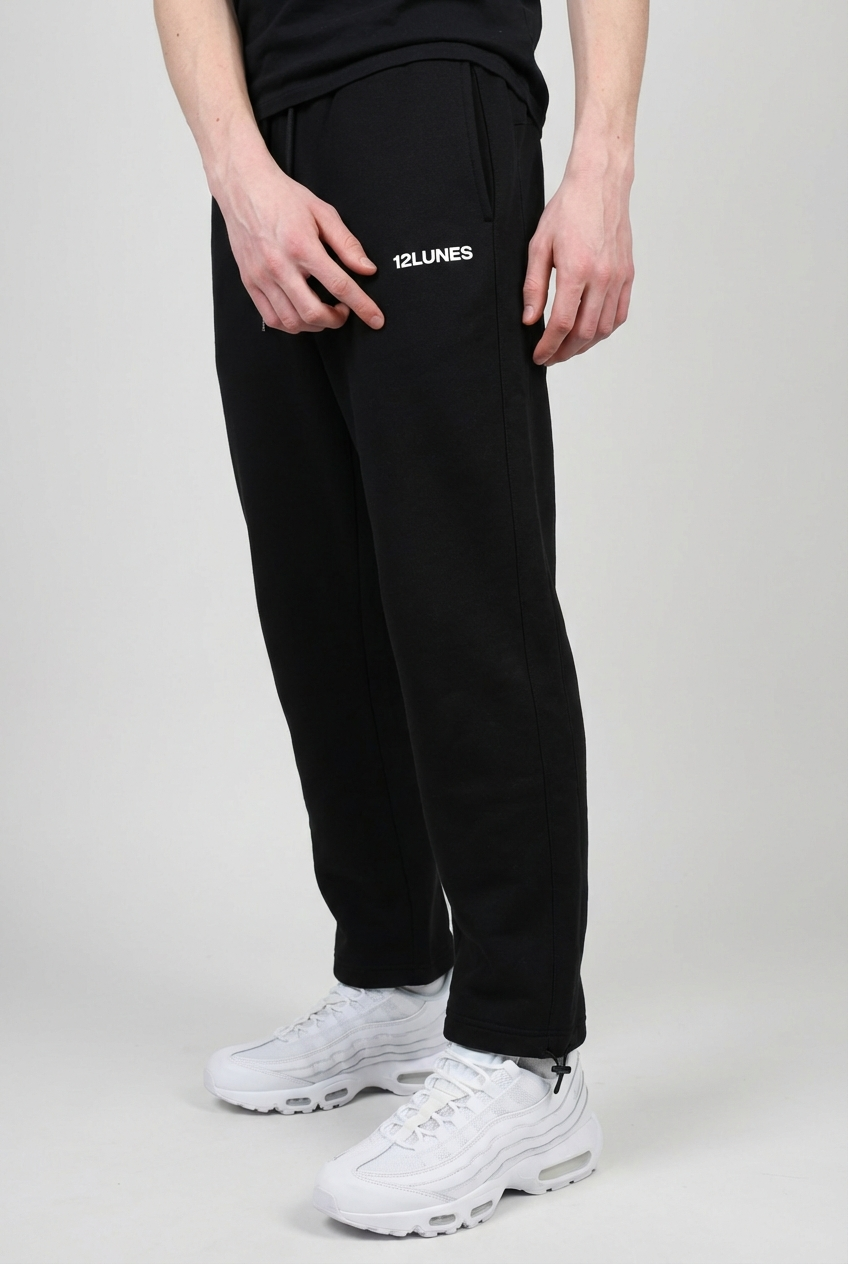
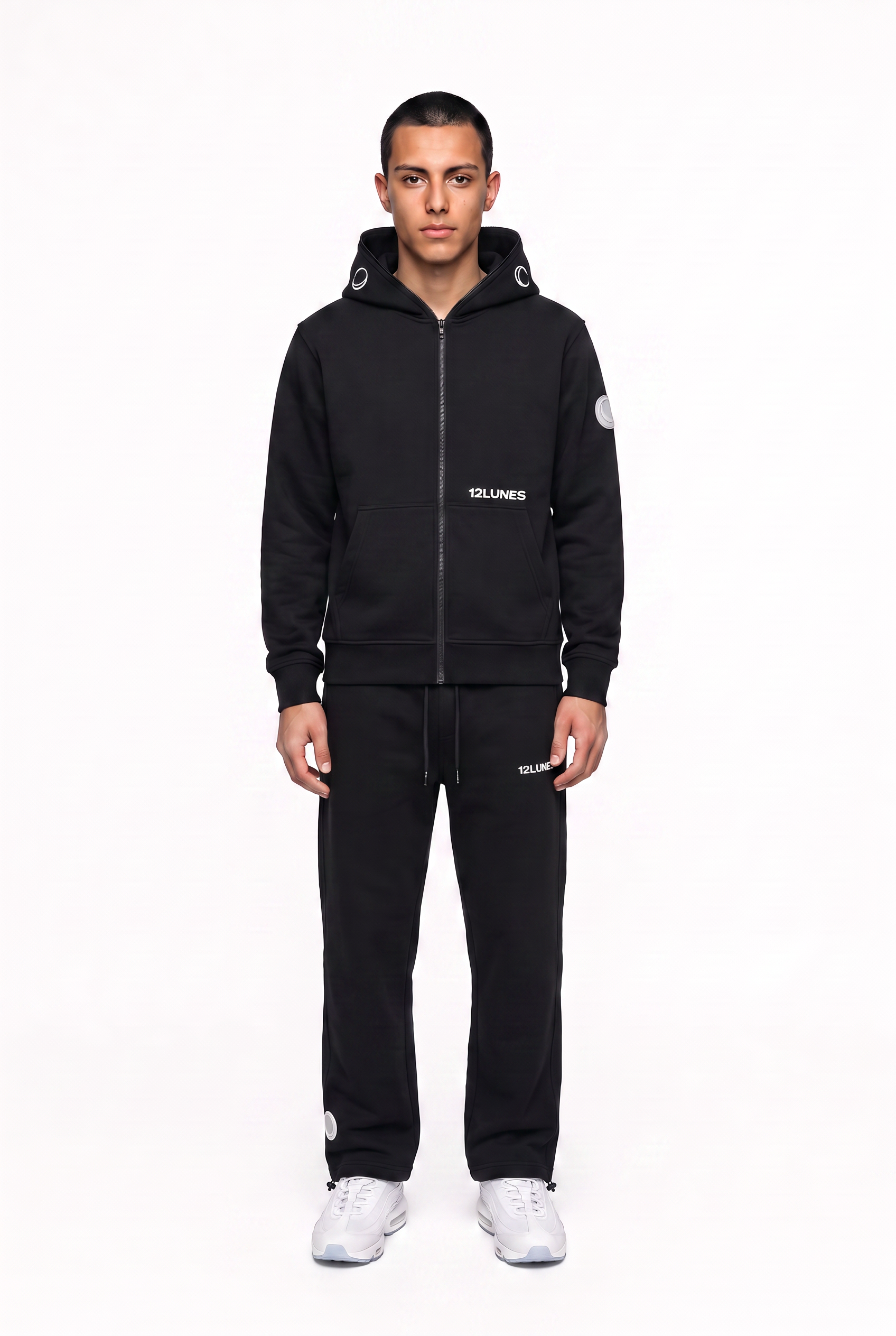
That's also why some independent brands, like 12LUNES, design their pieces with longevity in mind. Simple, well-constructed garments, made to be worn today, stored tomorrow, and brought out later without having lost their meaning.
If you've ever kept a piece for years before wearing it again, or seen a garment gain value over time, share your experience in the comments. Streetwear is also passed on that way. Through experience.



Leave a comment
All comments are moderated before being published.
This site is protected by hCaptcha and the hCaptcha Privacy Policy and Terms of Service apply.